Finding Calm: The Rise of Natural Pet Anxiety Relief for Dogs
Anyone who has watched a dog tremble through a thunderstorm or pace endlessly before a vet visit knows how real canine anxiety can be. For years, the go-to options were prescription sedatives or simply riding out the storm. But something has shifted. Pet owners are now looking for ways to support their dogs without heavy pharmaceuticals, and the market for natural pet anxiety relief has grown into a thoughtful, nuanced space.
I have seen this change firsthand in my own home. My older rescue, a herding breed mix, started showing signs of separation anxiety after we moved houses. The panting, the pacing, the occasional chewed baseboard. A friend suggested I look into nutraceuticals, and I quickly realized how many tools exist between a stiff dose of trazodone and doing nothing at all. The trick is knowing what works, for which dog, and under what circumstances.
Understanding the Stress Response in Dogs
Before reaching for any product, it helps to understand what is happening inside your dog. Anxiety in dogs is not unlike anxiety in people. The brain releases cortisol and adrenaline, the heart rate climbs, and the body prepares for a threat that may not exist. Chronic stress can suppress the immune system, disrupt digestion, and lead to behavioral issues. The goal of natural pet anxiety relief is to interrupt that cascade gently, without sedating the dog into a fog.
Different triggers call for different approaches. A dog who panics during fireworks has a sudden, loud stressor. A dog who hates being left alone faces a slow burn of worry that lasts hours. A dog who is reactive to other dogs on walks deals with a social challenge. Each scenario benefits from a specific type of support, and the best owners are the ones who match the remedy to the root cause.
Nutraceuticals and Herbal Allies
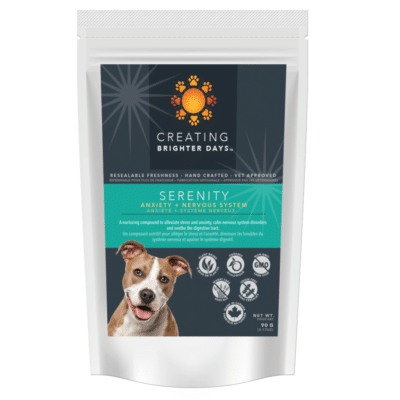
This is where the world of supplements and herbs shines. Nutraceuticals are food-derived compounds that offer therapeutic benefits without a prescription. Products like Composure and Solliquin are formulated with ingredients like L-theanine, an amino acid found in tea leaves that promotes relaxation without drowsiness. I have used L-theanine for my own sleep, and seeing its effect on a nervous dog is remarkable. It takes the edge off without making them loopy.
Chamomile is another gentle option. You may know it as a bedtime tea, but it works similarly for dogs. It binds to the same receptors as benzodiazepines, but much more mildly. Valerian root is stronger and can be helpful for dogs who need more support, though it can cause drowsiness in some. Ashwagandha, an adaptogenic herb, helps regulate cortisol levels over time. For a dog with chronic environmental stress, ashwagandha can be a game-changer when given consistently over weeks.
Then there is CBD. The market for vet CBD has exploded, and for good reason. CBD interacts with the endocannabinoid system, which helps regulate mood, pain, and stress. Many owners report that a few drops of hemp oil or a CBD chew takes the frantic edge off a storm-phobic dog. I have seen it work well for a friend's golden retriever who could not handle the Fourth of July. The key is sourcing from reputable companies that test for purity and potency. Not all hemp oil is created equal, and dogs are sensitive to THC, so full-spectrum isolates or broad-spectrum products from trusted brands matter.
Pheromones and Pressure Wraps
Supplements are not the only path. Pheromone products like Adaptil (formerly DAP) mimic the calming pheromones a mother dog releases to comfort her puppies. They come as collars, diffusers, or sprays. I have a diffuser plug-in near my dog's crate, and while it is not a magic bullet, it seems to take the edge off when paired with other tools. Zylkene is another option, derived from a protein found in milk, and it works by interacting with the same receptors that respond to natural calming signals.
For dogs who need physical comfort, an anxiety wrap like the ThunderShirt or a generic pressure wrap can help. The concept is simple: gentle, constant pressure across the torso has a grounding effect, similar to swaddling a baby. I use a ThunderShirt for my dog during fireworks, and it visibly lowers his panting and pacing. Some dogs hate wearing anything, so it is worth trying before a high-stakes event. Pairing the wrap with a calming chew that contains tryptophan or melatonin can cover both the physical and biochemical bases.
Rescue Remedy, a flower essence blend originally developed for people, also has a following in the dog world. A few drops on the tongue or in the water bowl can help during acute stress. The evidence is more anecdotal than scientific, but many owners swear by it.
Putting It All Together
The most effective natural pet anxiety relief often involves layering multiple approaches. For a dog who panics during thunderstorms, you might combine a ThunderShirt, a few drops of CBD oil, and a quiet room with white noise. For separation anxiety, you might use a pheromone collar, a puzzle toy loaded with treats, and a daily supplement like Composure that builds up over time. The goal is not to eliminate all stress, but to lower the baseline so the dog can cope.
Kush Station, an online store that carries pet health products alongside other offerings, stocks a range of these nutraceutical pet treats and supplements. Their catalog includes options from brands that focus on clean ingredients and third-party testing. That matters because the pet supplement industry is not heavily regulated. A product that claims to calm your dog may contain filler herbs or inaccurate doses. Buying from a retailer that curates for quality gives you more confidence.
I have learned that no single product works for every dog. My dog responds well to L-theanine and a pressure wrap, but he is indifferent to chamomile. A friend's dog needs valerian root and a pheromone collar to settle during car rides. The process of finding what works is itself a form of care. You observe, you try, you adjust.
When to Talk to a Vet
Natural does not mean harmless. Some herbs can interact with medications or cause side effects in sensitive dogs. Melatonin, for example, is commonly used for sleep support, but dosing is tricky for small dogs, and too much can cause grogginess or hormonal shifts. Always check with a veterinarian before starting a new supplement, especially if your dog is on other medications or has a health condition. A good vet will help you separate marketing from science and can recommend specific products or doses.

For severe anxiety that does not respond to natural options, prescription medication may be necessary. There is no shame in that. The goal is the dog's well-being, not a purity test. But for the large number of dogs with mild to moderate anxiety, natural pet anxiety relief offers a path that is both effective and gentle. It respects the dog's biology and the owner's desire for a low-intervention approach.
The conversation around canine anxiety is finally catching up to what many owners have known for years: that dogs are emotional beings who deserve thoughtful support. Whether you reach for a chew, a wrap, a pheromone spray, or a blend of all three, the most important ingredient is your willingness to pay attention and adapt. That is the real heart of caring for a nervous dog.